
For many athletes, discipline, consistency, and pushing limits are part of everyday life. But when performance comes at the cost of hormonal health, the body often sends clear signals, one of the most common being a missing period.
Amenorrhea in Athletes is more than just a disrupted cycle. It is a sign that the body is under stress and does not feel adequately supported to maintain reproductive function. Understanding how to manage this condition requires a shift from, understanding this condition calls for a shift away from short-term achievements toward long-term, balanced, and sustainable performance.
What Is Secondary Amenorrhea in Athletes?
Secondary amenorrhea refers to the absence of menstrual periods for three or more consecutive months in someone who previously had regular cycles.
In athletes, this is often linked to:
- Low energy availability (not eating enough to support activity levels)
- High training intensity or volume
- Chronic physical and psychological stress
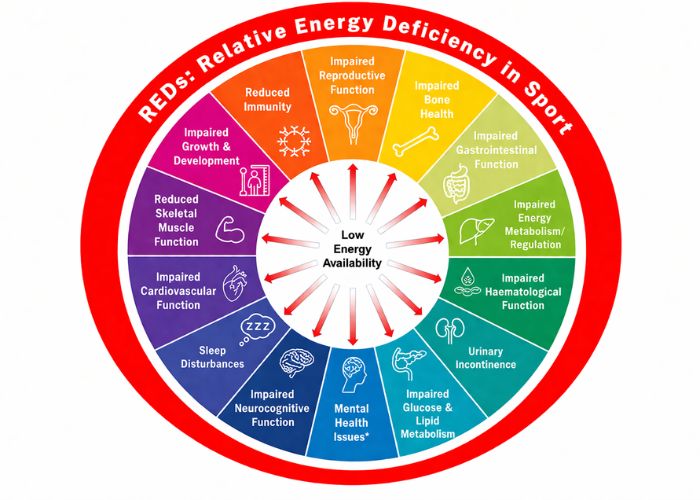
This condition is commonly associated with what is known as Relative Energy Deficiency in Sport (RED-S), where the body does not have enough energy to support essential functions, including reproduction.
Why Amenorrhea in Athletes Should Not Be Ignored
It can be easy to normalize missing periods in athletic environments, especially when it’s seen as a byproduct of being “lean” or highly trained. However, untreated amenorrhea can have long-term consequences, including:
- Decreased bone density and increased risk of fractures
- Hormonal imbalances affecting overall health
- Hormonal imbalances that can impact overall health, including immunity, gastrointestinal function, sleep quality, cardiovascular health, mental well-being, and cognitive performance.
- Reduced fertility over time
- Fatigue, poor recovery, and decreased performance
Rather than being a sign of peak fitness, a missing cycle is often an indication that the body is under-fueled and over-stressed.
The Root Cause: Energy Imbalance
At the core of Amenorrhea in Athletes is an energy mismatch.
When the body consistently burns more energy than it receives through food, it begins to conserve resources. One of the first systems to downregulate is the reproductive system, as it is not essential for immediate survival.
This means that even athletes who appear healthy, maintain a stable weight, or eat “clean” diets can still experience amenorrhea if their energy intake does not meet their physiological needs.
The Best Ways to Manage Amenorrhea in Athletes
Managing this condition requires a comprehensive approach that addresses both physical and psychological factors.
1. Restore Adequate Energy Intake
The most critical step is increasing energy availability.
This involves:
- Eating consistently throughout the day
- Including sufficient carbohydrates, fats, and proteins
- Letting go of restrictive eating patterns
For many athletes, this is not just about eating more, it’s about changing beliefs around food. Fear of weight gain or loss of performance can make this step emotionally challenging.
However, adequate nourishment is essential for hormonal recovery, often supported by guidance from trained professionals such as coaches or mental health specialists.
2. Adjust Training Intensity and Volume
While movement is important, excessive or high-intensity training can prolong recovery.
Strategic adjustments may include:
- Reducing training frequency or duration
- Incorporating more rest days
- Shifting focus from intensity to recovery
This does not mean giving up athletic identity. It means creating a training approach that supports both performance and long-term health.
3. Address Stress Beyond Training
Physical stress is only one part of the picture. Mental and emotional stress also play a significant role in disrupting hormonal balance.
Common but overlooked stressors include:
- Perfectionism and performance pressure
- Anxiety around body image
- Rigid routines and lack of flexibility
Managing stress may involve:
- Mindfulness practices
- Nervous system regulation techniques
- Creating space for rest and recovery
This is where a mind-body approach becomes especially valuable.
4. Rebuild a Healthy Relationship with Food and Body
Many cases of secondary amenorrhea in athletes are linked to subconscious control patterns around food, weight, and performance.
Even when an athlete appears to be eating enough, underlying beliefs like:
- “I have to stay lean to perform well”
- “Rest means losing progress”
- “More training equals better results”
can keep the body in a state of stress.
Working with a mind-body eating coach can help:
- Identify and shift these patterns
- Develop trust in the body’s needs
- Move from control to support
This deeper work is often the missing piece in recovery.
5. Monitor Recovery Progress Holistically
Recovery is not always linear, and it goes beyond the return of a period.
Signs of progress may include:
- Improved energy levels
- Better sleep quality
- Reduced anxiety around food and training
- Gradual hormonal balance
The return of menstruation is an important milestone, but consistent cycles over time indicate true recovery.
Can Athletes Regain Their Cycle and Fertility?
A common concern is whether recovery is possible.
The good news is that in many cases, Amenorrhea in Athletes is reversible. When the body receives adequate energy, reduced stress, and consistent support, hormonal function can resume.
This includes:
- The return of ovulation
- Regular menstrual cycles
- Restored fertility potential
However, the timeline varies for each individual. Patience and consistency are key.
A More Sustainable Approach to Athletic Performance
One of the biggest mindset shifts in managing amenorrhea is redefining what peak performance looks like.
True performance is not just about intensity or output, it is about sustainability.
When the body is properly nourished and supported:
- Recovery improves
- Strength and endurance become more stable
- Injury risk decreases
- Long-term performance is enhanced
In this sense, addressing amenorrhea is not a setback, it is an upgrade to a more resilient and balanced athletic approach.
Final Thoughts
Managing Amenorrhea in Athletes requires more than surface-level changes. It calls for a deeper understanding of how the body responds to stress, energy, and internal pressure.
By prioritizing nourishment, recovery, and mind-body alignment, athletes can not only restore their menstrual cycles but also build a foundation for stronger, more sustainable performance.
Because ultimately, the goal is not just to train harder, it’s to support the body in a way that allows it to function, perform, and thrive.
Restore your cycle and performance with personalized mind-body support, book your session today.