Amenorrhea, or the absence of menstrual periods, can be confusing especially when it happens after starting contraception.
Many women worry when their cycle suddenly stops, even though in most cases, it’s a normal response to hormonal changes. Understanding the Connection Between Amenorrhea and Birth Control can help you feel more confident about what your body is experiencing and when you may need medical advice.
What Is Amenorrhea?
Amenorrhea refers to missing menstrual periods and is categorized into two types. Primary amenorrhea occurs when menstruation hasn’t started by age 15, while secondary amenorrhea is when periods stop for three months or more after being regular.
This condition can be caused by several factors, including stress, significant weight loss, excessive exercise, and hormonal imbalances. However, one of the most common modern causes is hormonal contraception. Exploring the Connection Between Amenorrhea and Birth Control helps explain why so many women notice changes in their cycle after starting birth control.
How Birth Control Affects Your Cycle
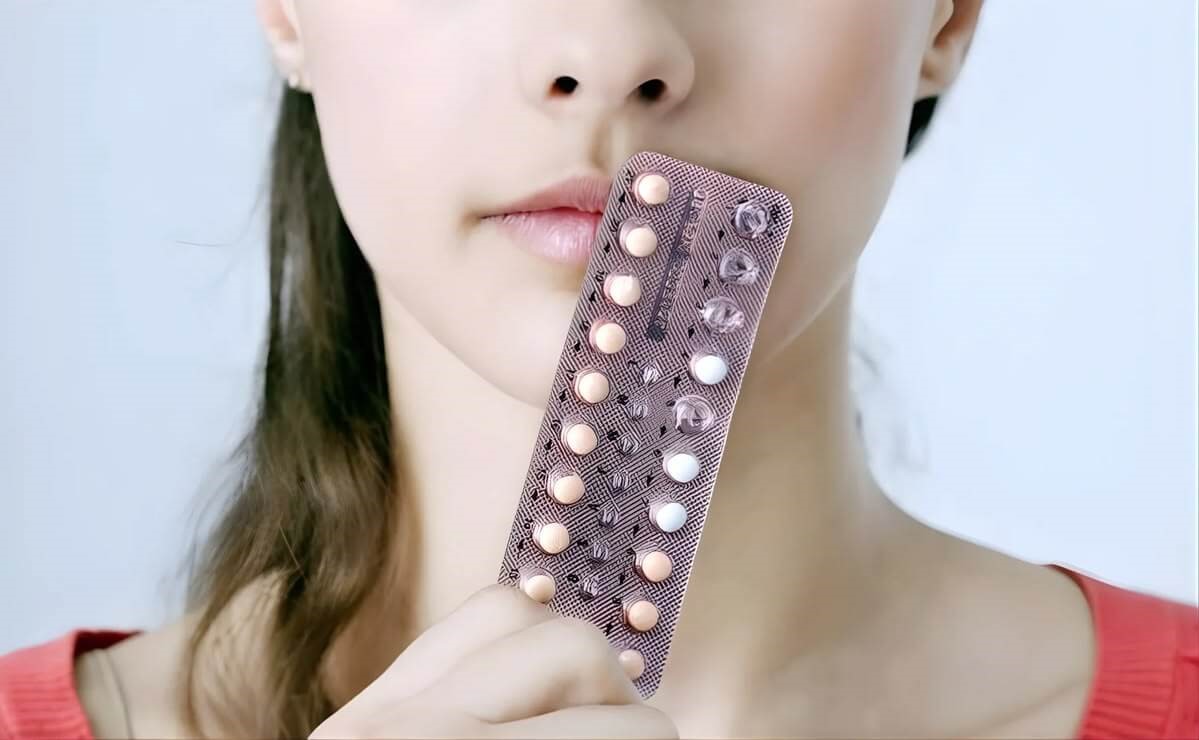
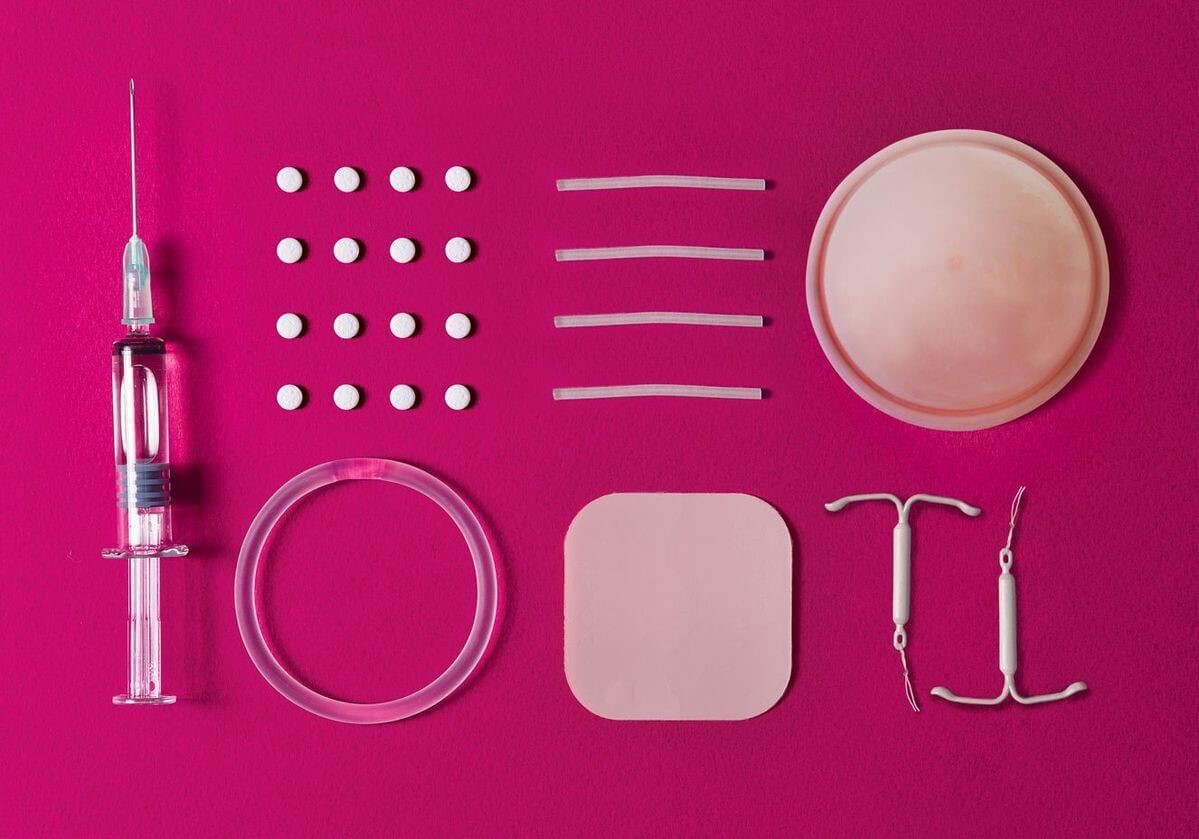
Hormonal birth control methods such as pills, patches, injections, implants, and hormonal IUDs work by altering your natural hormone levels. These contraceptives often prevent ovulation and thin the uterine lining, both of which directly impact your menstrual cycle.
As a result, many women experience lighter periods, irregular bleeding, or no periods at all. This is commonly described as missed periods on birth control and is usually not a cause for concern. The Connection Between Amenorrhea and Birth Control lies in these hormonal adjustments that change how your body regulates menstruation.
Non-hormonal methods, like copper IUDs, typically do not stop periods and may even lead to heavier bleeding.
Why Does Birth Control Cause Amenorrhea?
Understanding the biological reasons behind this can make the experience less worrying. Here are the main causes:
- Ovulation Suppression
Most hormonal contraceptives prevent ovulation. Without ovulation, your body doesn’t produce the hormonal signals required to trigger a menstrual cycle. - Thinning of the Uterine Lining
Hormonal birth control keeps the uterine lining thin. Since there’s little lining to shed, your period may become extremely light or stop altogether.
- Continuous Hormone Levels
Some birth control options provide a steady dose of hormones throughout the month, eliminating the drop in hormones that usually triggers menstruation.
These factors clearly explain the Connection Between Amenorrhea and Birth Control, showing that the absence of periods is often an expected effect rather than a health issue.
Which Birth Control Methods Commonly Stop Periods?
Some contraceptives are more likely to cause amenorrhea than others:
- Hormonal IUDs: Periods often become lighter or disappear over time.
- Birth control injections: Many users stop menstruating after several months.
- Implants: Irregular bleeding initially, followed by possible amenorrhea.
- Extended or continuous pills: Designed to skip or eliminate periods.
Understanding how different methods affect your body helps clarify the link between birth control and missed periods, allowing you to choose what works best for your lifestyle.
Is It Safe to Have No Period on Birth Control?
Yes, in most cases, it is completely safe. When amenorrhea is caused by hormonal contraception, it simply means your uterine lining isn’t building up enough to shed.
A common myth is that blood is “trapped” inside the body, but this is not true. Instead, your body is just producing less lining. In fact, many healthcare providers recommend certain birth control methods specifically to reduce heavy or painful periods.
Being aware of the Connection Between Amenorrhea and Birth Control can help ease concerns and allow you to see this as a manageable and often beneficial side effect.
When Should You Be Concerned?
Although amenorrhea on birth control is usually harmless, you should consult a healthcare provider if your period doesn’t return within 3 months after stopping birth control or if you have other concerning symptoms.
- Your period doesn’t return after stopping birth control.
- You experience severe pelvic pain, persistent headaches, unusual discharge, sudden weight changes, or symptoms of hormonal imbalance such as excessive acne, hair loss, or increased facial hair.
- There is a chance you might be pregnant.
- Your cycle suddenly changes after being stable for a long time.
In such cases, conditions like thyroid disorders or polycystic ovary syndrome (PCOS) may need further evaluation.
What Happens After Stopping Birth Control?
Once you stop using hormonal contraception, your body gradually returns to its natural cycle. For some women, periods resume within weeks, while for others, it may take a few months.
Post-pill amenorrhea, the temporary absence of periods after stopping birth control, is relatively common. However, if your cycle doesn’t return within three to six months, it may be helpful to explore a structured approach to recovery, such as a period recovery plan, to support your body’s natural hormonal balance.
FAQs About Amenorrhea and Birth Control
Can birth control permanently stop periods?
No, birth control does not permanently stop your periods. Your cycle typically returns after discontinuing use.
Is it normal to miss periods on the pill?
Yes, especially with continuous or extended-cycle pills designed to reduce or eliminate menstruation.
Should I worry about pregnancy if my period stops?
If you’re using birth control correctly, pregnancy is unlikely. However, if you’re unsure, taking a test is always a good precaution.
Final Thoughts
The Connection Between Amenorrhea and Birth Control is primarily due to how hormonal contraceptives suppress ovulation and thin the uterine lining. While missing periods can feel alarming at first (and getting in touch with your health provider is always best when you need reassurance), it is often a normal and safe response.
By understanding your body and recognizing how contraception affects your cycle, you can make informed decisions about your reproductive health.